
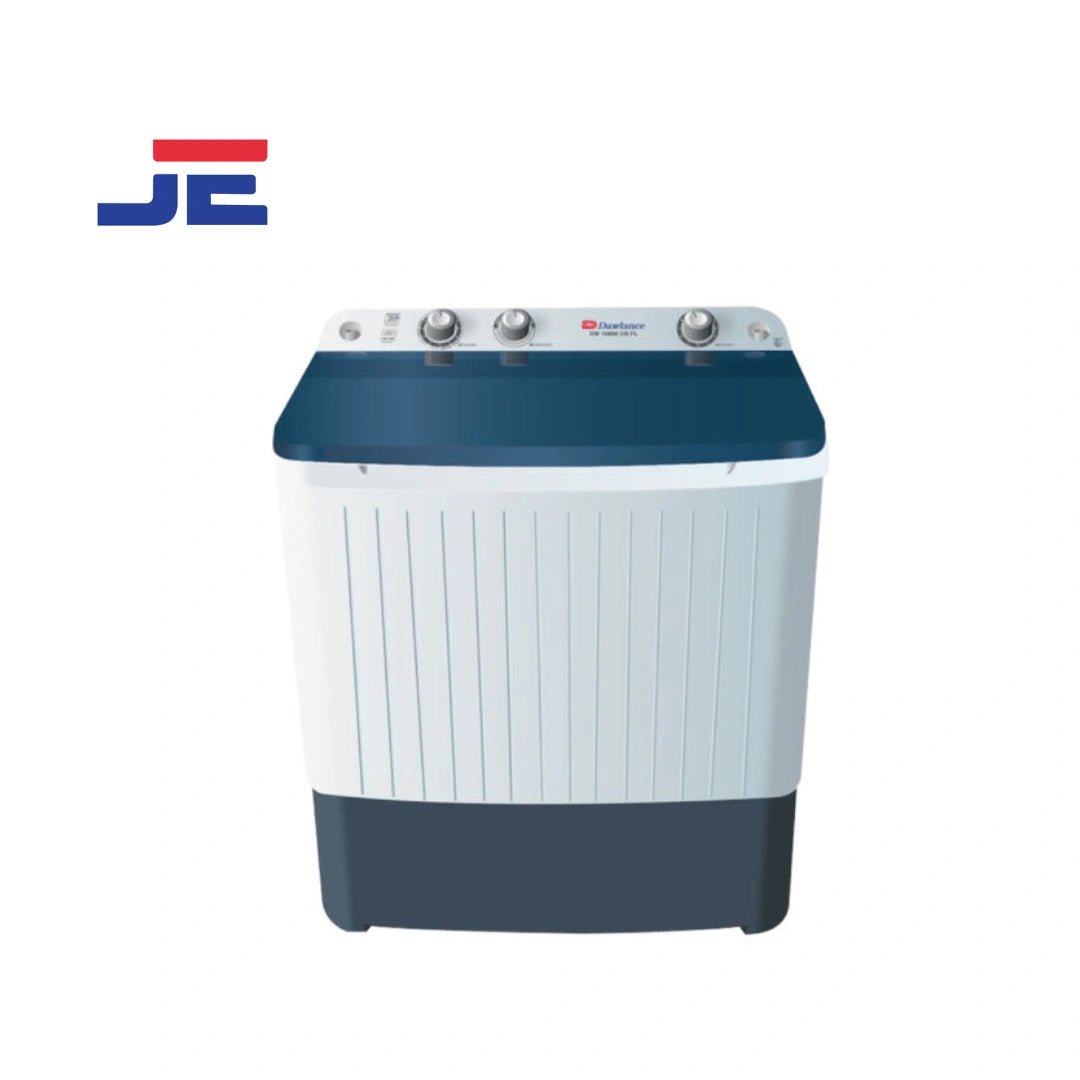
Buying a washing machine in Pakistan means choosing between three very different types: front load, top load automatic, and the budget twin-tub (semi-automatic). They differ in wash quality, water and power use, price and convenience. This guide compares them clearly so you pick the right one for your home and budget.
The three types at a glance
| Type | Price | Best for |
|---|---|---|
| Twin-tub (semi-auto) | Lowest (≈Rs 15,000–43,000) | Budget buyers, areas with water/power issues |
| Top load automatic | Mid (≈Rs 40,000–90,000) | Convenience at a fair price |
| Front load automatic | Highest (≈Rs 80,000–230,000) | Best wash & efficiency, premium homes |
See live prices on the washing machine price page.
Wash quality
Front load machines generally wash best — the tumbling action is gentler on clothes yet more thorough, and they handle detergent and stains efficiently. Top load automatics wash well and are easier to load (no bending). Twin-tubs clean acceptably but need you to move clothes between wash and spin tubs manually.
Water and electricity use
Front load machines use the least water and, with cold or warm cycles, are efficient on power too — important as utility costs rise. Top load automatics use more water. Twin-tubs use the most water overall but very little electricity, and you control every step. If conserving water matters to you, front load wins clearly.
Convenience and features
Automatics (front and top load) do everything at the press of a button — wash, rinse, spin — and offer programs for different fabrics, delay timers and child locks. Front loaders add the most programs and the best spin (drier clothes, faster line-drying). Twin-tubs are fully manual but simple, repairable and forgiving when water pressure or power is unreliable.
Capacity — match it to your family
| Family size | Recommended capacity |
|---|---|
| 1–2 people | 6–7 kg |
| 3–4 people | 8–9 kg |
| 5+ people | 10 kg+ |
Price and value (2026)
Real starting points at Inspire Home Store: twin-tubs from around Rs 15,000 (Super Asia), top load automatics in the mid range (Haier HWM series from ~Rs 21,000–26,500, Dawlance DW series), and front loaders at the premium end (Dawlance and Haier up to ~Rs 173,000–230,000). For a full breakdown, see our washing machine price guide.
Which type should you buy?
- Best wash + efficiency, premium budget: front load automatic.
- Convenience at a fair price: top load automatic.
- Tight budget / unreliable water & power: twin-tub semi-automatic.
- Large family: 8 kg+ automatic to handle the loads.
Brands to consider
Dawlance and Haier lead on automatics with strong service; Super Asia is a budget favourite for twin-tubs; Samsung sits at the premium front-load end. Compare on the Dawlance, Haier and Super Asia pages.
Installation and water supply notes
Front loaders need a stable water connection and a level floor (they spin fast). In areas with low water pressure or frequent shortages, a twin-tub or top load can be more practical because you can fill them manually. Always use a stabiliser-protected socket and don't overload the drum — overloading hurts wash quality and strains the motor.
Inverter vs normal motor
Like fridges and ACs, washing machines now come with inverter motors on many automatic models. An inverter motor adjusts its speed to the load, runs more quietly, lasts longer and uses less electricity than a standard motor that runs at a fixed speed. If you do laundry several times a week, an inverter automatic is worth the small premium for the efficiency and reduced wear — and it copes better with Pakistan's voltage fluctuations when paired with a stabiliser.
Fully automatic vs semi-automatic — explained
A fully automatic machine (front or top load) does the entire cycle — wash, rinse and spin — in one go, with no manual intervention; you just load, add detergent and press start. A semi-automatic (twin-tub) has two separate tubs: you wash in one, then lift the clothes into the spin tub yourself. Fully automatic is far more convenient and gives better, more consistent results; semi-automatic is cheaper, uses less electricity, and works even when water pressure is low because you fill it by hand. Your choice comes down to budget and how reliable your water and power supply is.
Spin speed and drying
Spin speed (measured in RPM) decides how dry your clothes come out — higher RPM means less water left in the fabric and faster line-drying, which matters in humid weather or winter. Front loaders typically spin fastest (1000–1400 RPM), top loaders less, and twin-tubs least. If quick drying is important to you and you don't have a separate dryer, prioritise a higher spin speed. Some premium machines even include a built-in dryer function.
Detergent: match it to the machine
Use the right detergent or you'll get poor results and extra foam. Front load and high-efficiency machines need low-suds "automatic" or "front load" detergent — regular powder creates too much foam and can leak or cushion the wash. Top load and twin-tub machines are fine with standard detergent. Using the correct type improves cleaning, protects the machine, and saves detergent.
Common problems and easy maintenance
- Clothes still dirty: usually overloading or wrong detergent — wash smaller loads with the right detergent.
- Machine won't drain: a clogged filter or drain hose; clean the lint filter regularly.
- Excess vibration: the machine isn't level, or the load is unbalanced.
- Smell from the drum: run an occasional empty hot cycle and leave the door open to dry.
Clean the lint filter monthly, wipe the door seal on front loaders, don't overload, and use a stabiliser on fluctuating voltage. These habits keep it running 8–12 years.
Water and electricity saving tips
Wash full (but not overloaded) loads rather than many small ones, use cold or warm cycles instead of hot where possible, pick the right program for the fabric, and choose a higher spin speed to cut drying time and cost. A front load or inverter automatic naturally helps here by using less water and power per wash.
Our pick by household
- Premium home, best results: a front load automatic (ideally inverter).
- Most families, convenience + value: a top load automatic.
- Tight budget / unreliable utilities: a Super Asia or similar twin-tub.
- Large family: an 8 kg+ automatic to handle the volume.
Real models and prices (2026)
To anchor your budget, here are real starting points at Inspire Home Store. Twin-tubs: Super Asia SA-210 Quick Wash from around Rs 15,000, up to the Big Wash SA-290 (~Rs 32,600). Top load automatics: Haier HWM 80-1217 (~Rs 21,000) and HWM 130-1217 (~Rs 26,500), plus the Dawlance DW automatic series. Front loaders: Dawlance and Haier models running up to roughly Rs 173,000–230,000 at the premium end, with Samsung front-load around Rs 145,000. Check the live washing machine price page for current figures, and our washing machine price guide for the full breakdown.
What to check on delivery
When your machine arrives, confirm the model and capacity match your order, the drum is undamaged, and all hoses and accessories are included. For automatics, have it installed level with a stable water connection, run a quick empty test cycle to check filling, washing, draining and spinning, and keep the warranty card and invoice safe. A few minutes of checks now prevents headaches later.
The bottom line
There's no single "best" washing machine — only the best one for your home. A front load automatic gives the finest wash and the lowest water use for a premium budget; a top load automatic is the convenient, fair-priced choice for most families; and a twin-tub semi-automatic is the smart pick when budget is tight or water and power are unreliable. Match the capacity to your family, choose an inverter automatic if you wash often, use the right detergent, and don't overload it — and your machine will give you years of trouble-free laundry. Compare the full live range on the washing machine price page.
Frequently asked questions
Is front load or top load better in Pakistan? Front load washes best and uses less water; top load is more convenient and cheaper; twin-tub is the budget option. Choose by budget and water/power reliability.
Which uses less water? Front load uses the least; twin-tub uses the most.
What capacity do I need? 6–7 kg for 1–2 people, 8–9 kg for a family of 3–4, 10 kg+ for larger families.
Are twin-tub machines worth it? Yes for tight budgets or unreliable water/power — they're cheap, simple and easy to repair.
Which brand is best? Dawlance and Haier for automatics; Super Asia for budget twin-tubs; Samsung for premium front load.
Do front loaders need special installation? They need a stable water connection and a level floor; otherwise installation is straightforward.
How long do washing machines last? Typically 8–12 years with proper care and no overloading.
Do you offer cash on delivery? Yes — across Rawalpindi & Islamabad and nationwide.