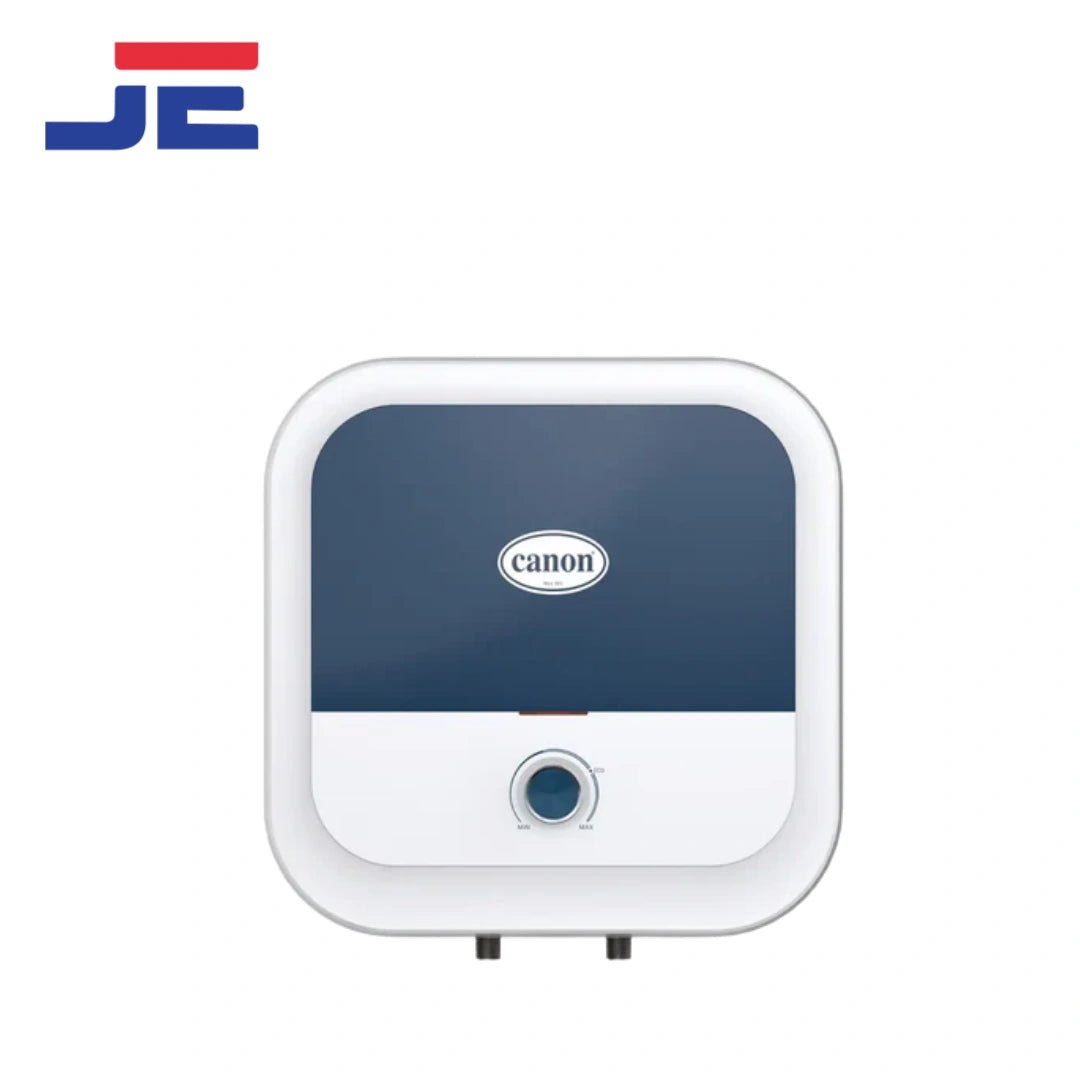
A geyser (water heater) is essential for Pakistani winters, but choosing one means weighing gas vs electricity, instant vs storage, size, safety and running cost. The right choice depends on your gas supply, family size and budget. This guide compares all the options clearly so you pick the water heater that actually fits your home.
The main types of geyser
- Gas geyser (storage): heats and stores water in a tank using a gas burner — cheap to run where gas is available.
- Electric geyser (storage): heats and stores water with an electric element — clean, safe indoors, but costlier to run.
- Instant gas geyser: heats water on demand as it flows, no storage tank — compact and gas-efficient.
- Electric + gas (dual): can use either source — flexible for areas with low gas pressure in winter.
Gas vs electric: running cost
This is usually the deciding factor. Where mains gas is available and pressure is decent, a gas geyser is much cheaper to run than electric — which is why it's the default in most Pakistani homes. However, with winter gas load-shedding and low pressure now common, many families add or switch to electric for reliability, accepting the higher running cost. An electric + gas dual geyser hedges both, using gas when available and electricity when not.
Instant vs storage
Instant geysers heat water only as you use it, so there's no standing heat loss and no waiting for a tank to warm up — efficient and compact, ideal for a kitchen or a single bathroom. Storage geysers keep a tank of hot water ready, better for filling buckets and serving a whole family at once, but they lose some heat while idle. For a small household or point-of-use, instant wins; for a family bathroom, storage is more practical.
What size geyser do you need?
Storage geysers are sized by capacity (gallons/litres). Match it to your usage so you're not heating water you won't use — or running out mid-shower.
| Household | Suggested capacity |
|---|---|
| 1–2 people / kitchen | Instant, or 10–15 gallon storage |
| Small family | ~20–30 gallon storage |
| Large family | 35+ gallon storage (or multiple units) |
Safety first
A geyser combines heat with gas or electricity, so safety features matter. For gas models, look for flame-failure protection and ensure proper ventilation/flue to vent fumes — never install a gas geyser in an unventilated bathroom. For electric models, choose units with a thermostat, a safety/pressure-release valve and good earthing. A safe install by a qualified person is non-negotiable for either type.
Efficiency and insulation
For storage geysers, good tank insulation keeps water hot longer and cuts the energy needed to reheat it — worth checking on electric models especially, since reheating costs more. Conical or quick-recovery designs heat faster. For instant geysers, efficiency is inherent since you only heat what you use.
Real prices and models (2026)
At Inspire Home Store, geysers span a wide range. Instant gas geysers from Canon start around Rs 21,000 (e.g. the 16D+ Dual and 17D-Dual). Electric geysers from Super Asia start from around Rs 17,500 (SEH-11), with the range extending up toward Rs 53,000–59,000 for larger and dual models. Browse the full live range on the geyser price page.
Best brands for geysers
Canon and Super Asia are popular, widely available choices in Pakistan with options across gas, electric, instant and dual types. Compare on the Canon and Super Asia pages, and pick a model whose type matches your gas situation and family size.
Which geyser should you buy?
- Reliable mains gas, family use: a gas storage geyser — cheapest to run.
- Poor/seasonal gas supply: an electric or electric+gas dual for reliability.
- Kitchen or single bathroom, small household: an instant geyser — compact and efficient.
- Large family: a higher-capacity storage geyser, or more than one unit.
Installation and maintenance
Have any geyser installed by a qualified technician — correct gas connections and flue for gas models, proper earthing and a working safety valve for electric. Drain and flush storage tanks periodically to remove sediment (which reduces efficiency and tank life), check the safety valve, and never block a gas geyser's ventilation. Done right, a geyser serves reliably for years.
Coping with winter gas load-shedding
Winter gas shortages and low pressure are now a reality in much of Pakistan, and they hit exactly when you need hot water most. If your area suffers from this, a pure gas geyser can become unreliable in peak winter. Two practical answers: an electric + gas dual geyser that switches to electricity when gas is short, or a dedicated electric geyser for guaranteed hot water (accepting the higher running cost). Many households keep a gas geyser for cheap heating most of the year and rely on electric backup during the worst of winter.
Electric geyser running cost
Electric geysers are clean, safe indoors and need no flue, but heating water with electricity costs more than gas. To keep the bill down: choose a well-insulated tank, set a sensible thermostat temperature rather than maximum, switch it on ahead of use rather than leaving it on all day, and pick the right capacity so you're not heating excess water. An instant electric geyser for a kitchen avoids standing heat loss entirely. Where gas is reliable, gas remains cheaper; where it isn't, electric buys you certainty.
Common geyser problems and fixes
- Water not hot enough: thermostat set low, sediment in the tank, or (gas) weak flame/low pressure — adjust the thermostat and flush the tank.
- Slow heating: sediment build-up or an ageing element/burner; descale or service it.
- Leaking tank: corrosion or a faulty valve — stop use and call a technician; a leaking tank usually needs replacement.
- Gas geyser won't ignite: low gas pressure, dead igniter battery, or pilot issue — check the basics before calling a pro.
- Smell of gas: shut off the supply, ventilate, and get it checked immediately — never ignore this.
How long does a geyser last?
A well-maintained geyser typically lasts 8–12 years. The biggest enemy is sediment and corrosion inside the tank, so periodic flushing and a working safety/pressure valve genuinely extend its life. When a tank starts leaking or needs repeated repairs, replacement is usually the safer and cheaper option.
Placement and efficiency tips
Where you install a geyser affects both safety and efficiency. Place it close to the point of use (kitchen or bathroom) so hot water doesn't cool down travelling through long pipes — and so you waste less water waiting for it to run hot. Insulate exposed hot-water pipes in winter to reduce heat loss. For gas models, ensure a clear flue and good ventilation; for electric, ensure proper earthing and easy access to the safety valve. A well-placed, well-insulated geyser delivers hot water faster and cheaper.
Which geyser is cheapest overall?
Factoring both purchase and running cost: where mains gas is reliable, a gas storage geyser is the cheapest to own thanks to low fuel cost. Where gas is unreliable, the picture shifts — an instant gas geyser minimises waste, while an electric model costs more to run but guarantees hot water. For many Pakistani homes, an electric + gas dual geyser offers the best overall value by using the cheaper source whenever it's available.
The bottom line
Choosing a geyser comes down to your gas supply, family size and budget. If mains gas is reliable, a gas storage geyser is cheapest to run; if gas is short in winter, an electric or dual model buys you certainty; and for a kitchen or small household, an instant geyser is efficient and compact. Size it to your usage, prioritise safety features and a safe install, and pick a widely serviced brand like Canon or Super Asia. Get those right and you'll have dependable hot water through every Pakistani winter. Browse current models on the geyser price page.
Frequently asked questions
Which is cheaper to run, gas or electric geyser? Gas, where mains supply and pressure are good; electric costs more but is reliable when gas is short.
Is an instant geyser better than a storage geyser? Instant is efficient and compact for small or point-of-use needs; storage is better for families needing lots of hot water at once.
What size geyser do I need? Instant or 10–15 gallon for 1–2 people, 20–30 gallon for a small family, 35+ gallon for a large family.
Are gas geysers safe? Yes, with flame-failure protection and proper ventilation/flue — never install one in an unventilated bathroom.
How much does a geyser cost in Pakistan? From around Rs 17,500 for an electric model and Rs 21,000 for an instant gas geyser, up to Rs 50,000+ for larger/dual units.
What is an electric + gas dual geyser? A unit that can heat with either source — useful where winter gas pressure is unreliable.
Which brand is best? Canon and Super Asia are popular, widely serviced choices across all geyser types.
Do you offer cash on delivery? Yes — with delivery across Rawalpindi & Islamabad and nationwide shipping.