A refrigerator is one of the few appliances that runs every hour of every day for 10–15 years, so choosing well matters — for your food, your bills and your patience. This guide walks through every decision in plain language so you buy the right fridge for your home and budget in Pakistan, the first time.
Step 1: Pick the right capacity
Size is the first and most important choice. Too small and it's always crammed (which hurts cooling); too big wastes money and electricity.
| Household | Capacity | Type |
|---|---|---|
| 1–2 people | ~5–9 cu ft | Single-door |
| Small family (3–4) | ~10–13 cu ft | Medium double-door |
| Large family (5+) | 14+ cu ft | Large double-door / side-by-side |
Step 2: Single-door, double-door or side-by-side?
Single-door units are cheapest and most compact — great for bachelors or a second fridge. Double-door (freezer on top) is the mainstream Pakistani choice: more room, frost-free, easy-reach freezer. Side-by-side models are large and premium for big families who store a lot. For most homes, a double-door in the right size is the sweet spot — browse double-door refrigerators directly.
Step 3: Inverter or non-inverter?
An inverter compressor varies its speed to hold temperature, using far less electricity and running quietly — and because a fridge runs 24/7, that saving is significant over a year. An inverter fridge also runs smoothly on UPS or solar, keeping food cold through load-shedding. A non-inverter fridge is cheaper upfront but costs more to run. If your budget allows, inverter is the smarter long-term choice.
Step 4: Frost-free vs direct cool
Frost-free fridges circulate cold air to prevent ice build-up — no manual defrosting, even cooling, ideal for family double-door units. Direct cool is cheaper and slightly more efficient but needs occasional manual defrosting; it's fine for small single-door fridges. For a busy family fridge in Pakistan's heat, frost-free is worth it.
Step 5: Check the energy rating
Because it never switches off, a fridge's efficiency has an outsized effect on your yearly bill. A higher star rating — especially with an inverter compressor — repays its small price premium many times over across the fridge's long life. When two models are close, let the energy rating decide.
Step 6: Features that matter
- Toughened glass shelves — sturdier and easier to clean than wire.
- Humidity-controlled crisper — keeps vegetables fresh longer.
- Turbo/fast cooling — quickly recovers temperature after the door's been open.
- Door alarm & child lock — handy in busy households.
- Water dispenser — convenient on some larger models.
Pay for the features you'll use; skip the ones you won't.
Step 7: Choose a brand and check after-sales
In Pakistan, Dawlance and Haier lead, with PEL strong on value and Samsung at the premium end. Dawlance's after-sales reach is its big advantage; Haier offers broad choice and features. For a full head-to-head, see our Dawlance vs Haier comparison. Whatever you pick, buy from an authorised seller and keep the warranty card — the compressor warranty is the one that matters most.
Step 8: Place it correctly
Keep the fridge out of direct sunlight and away from the stove or oven, leave a few inches of clearance behind and above for heat to escape, and make sure it's level so the doors seal. Poor placement quietly raises the bill and strains the compressor.
Price tiers (2026)
- Rs 32,000–55,000: single-door and small fridges (Haier HR-66B, Dawlance 9101 SD).
- Rs 55,000–120,000: mainstream double-door, including inverter models (PEL, Haier HRF-316, Dawlance 9178).
- Rs 120,000+: large double-door, side-by-side and premium (Samsung, top Haier/Dawlance).
See live figures on the refrigerator price page, and budget detail in our refrigerator price guide.
Your quick buying checklist
- ☐ Right capacity for your family size
- ☐ Door type (single / double / side-by-side)
- ☐ Inverter for lower bills + outage resilience
- ☐ Frost-free for a family fridge
- ☐ Good energy rating
- ☐ Strong compressor warranty + local service
- ☐ A spot out of sunlight with ventilation
Maintenance for a long life
Clean the door gaskets so they seal, don't overload it (air needs to circulate), set it to a sensible temperature rather than the coldest, and vacuum the back coils occasionally. A little care keeps cooling strong and the compressor healthy for years. If cooling ever drops, our refrigerator not cooling guide walks through the fixes.
The real bill math: inverter vs non-inverter
It's worth understanding why inverter fridges save money. A non-inverter compressor runs at full speed until the fridge is cold, switches off, then restarts when it warms up — each restart spikes power. An inverter compressor instead runs slowly and continuously, holding a steady temperature with far less energy. Over a year of 24/7 operation, that difference can be thousands of rupees, and it compounds across the fridge's 10–15 year life. The higher purchase price of an inverter model is usually recovered well within that span — which is why, if you can afford it, inverter is the financially smarter choice, not just the greener one.
Common mistakes buyers make
- Buying too small to save money — a cramped fridge cools unevenly and you regret it within a year.
- Choosing non-inverter purely on sticker price — the running cost erases the saving over time.
- Ignoring the energy label — on a 24/7 appliance it's the single biggest long-run cost.
- Poor placement — sunlight, no ventilation, or an unlevel floor all hurt performance.
- Forgetting after-sales — check parts/service are available in your city before buying a brand.
When to replace an old fridge
If your current fridge is more than 10–12 years old, cools unevenly, runs constantly, or needs frequent repairs, replacement usually beats repair — a modern inverter model can cut its share of your electricity bill substantially and runs cleanly on backup power. An old, inefficient fridge is often the quiet reason a summer bill is higher than expected. Compare upgrades on the refrigerator price page.
Cooling tech and food zones
Better fridges manage humidity and airflow to keep different foods at their best — a humidity-controlled crisper for vegetables, a colder zone for dairy and meat, and even airflow so nothing freezes at the back while the door shelves stay warm. If keeping food fresh longer matters to you (and it saves money on wasted groceries), look for these features on mid-to-premium models from Dawlance and Haier.
Glass-door vs solid-door designs
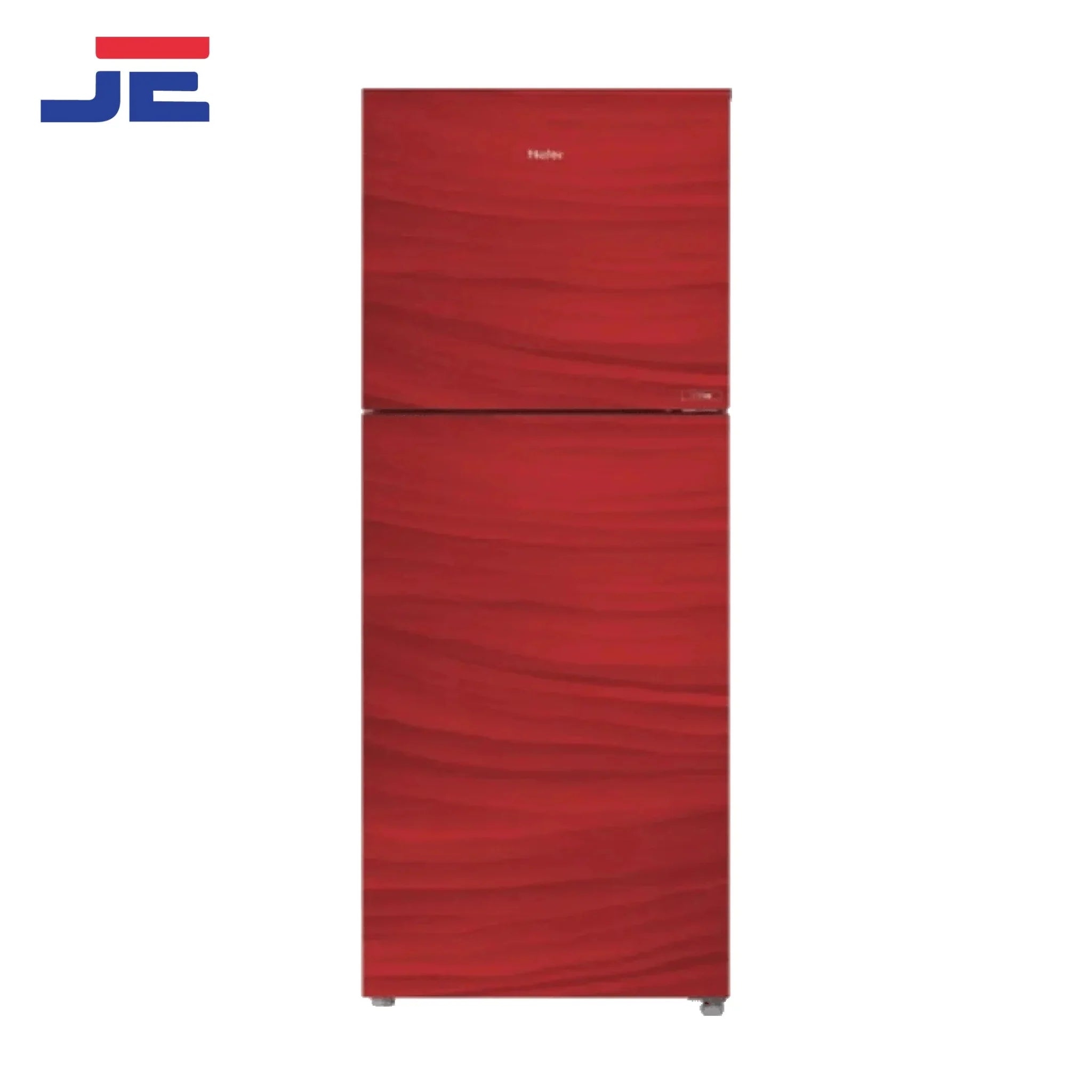
Many premium fridges now come with toughened glass-door finishes that look modern and resist scratches and fingerprints better than painted metal. They usually cost a little more than equivalent solid-door models but don't affect cooling — it's purely a matter of looks, durability and budget. Haier in particular offers a wide glass-door range. If aesthetics matter for your kitchen, it's a worthwhile upgrade; if not, a solid-door model saves money with no performance difference.
Are smart/Wi-Fi fridges worth it?
Some high-end refrigerators add Wi-Fi, app control and convenience extras like water/ice dispensers. These are genuinely nice but rarely essential — for most Pakistani families, the money is better spent on the right capacity, an inverter compressor and a good energy rating than on smart features you'll seldom use. Buy smart features only if you specifically want them, not because they're marketed as premium.
Best refrigerator for each home — a quick recap
To pull it all together: a bachelor or couple is well served by an efficient single-door or small double-door from Dawlance or Haier. A small family should target a mid-size frost-free double-door, ideally inverter, with a good energy rating — the best value for most homes. A large family needs a 14+ cu ft double-door or side-by-side, prioritising capacity, a strong compressor warranty and reliable local service. And anyone facing frequent load-shedding should lean toward an inverter model that runs cleanly on UPS or solar. Match the fridge to your household first, then optimise for efficiency and after-sales — get those right and you'll have a dependable fridge for well over a decade.
Frequently asked questions
What size refrigerator do I need? ~5–9 cu ft for 1–2 people, 10–13 cu ft for a small family, 14+ cu ft for a large family.
Is an inverter refrigerator worth it? Yes — lower 24/7 running cost and smooth operation on UPS/solar usually justify the higher price.
Frost-free or direct cool? Frost-free for family double-door fridges; direct cool for cheaper, small single-door units.
Which fridge brand is best in Pakistan? Dawlance for service, Haier for features/range, PEL for value, Samsung for premium.
How long should a refrigerator last? A well-maintained fridge lasts 10–15 years.
Does a fridge work during load-shedding? An inverter fridge runs on a sized UPS or solar system and holds cold for hours even off-power if kept closed.
Where should I not place my fridge? Away from sunlight and the cooker, with ventilation gaps around it.
Do you offer cash on delivery? Yes — with delivery across Rawalpindi & Islamabad and nationwide shipping.