Summer electricity bills in Pakistan can be brutal, driven mostly by air conditioning and rising tariffs. The good news is that a mix of smart habits, the right appliances, and (for bigger savings) solar can cut your bill dramatically without making your home uncomfortable. Here's a practical, proven guide to spending less this summer.
Start with your AC — it's the biggest load
Air conditioning is usually the single largest item on a summer bill, so it's where the biggest savings hide. A few changes make a real difference: set the thermostat to 25–26°C instead of 18°C (every degree lower costs noticeably more), use sleep/eco modes overnight, and run a ceiling fan alongside the AC so you feel cool at a higher setting. Keep the room sealed and curtains drawn on sunny windows. See exactly what your AC costs to run in our AC electricity cost guide.
Switch to inverter appliances
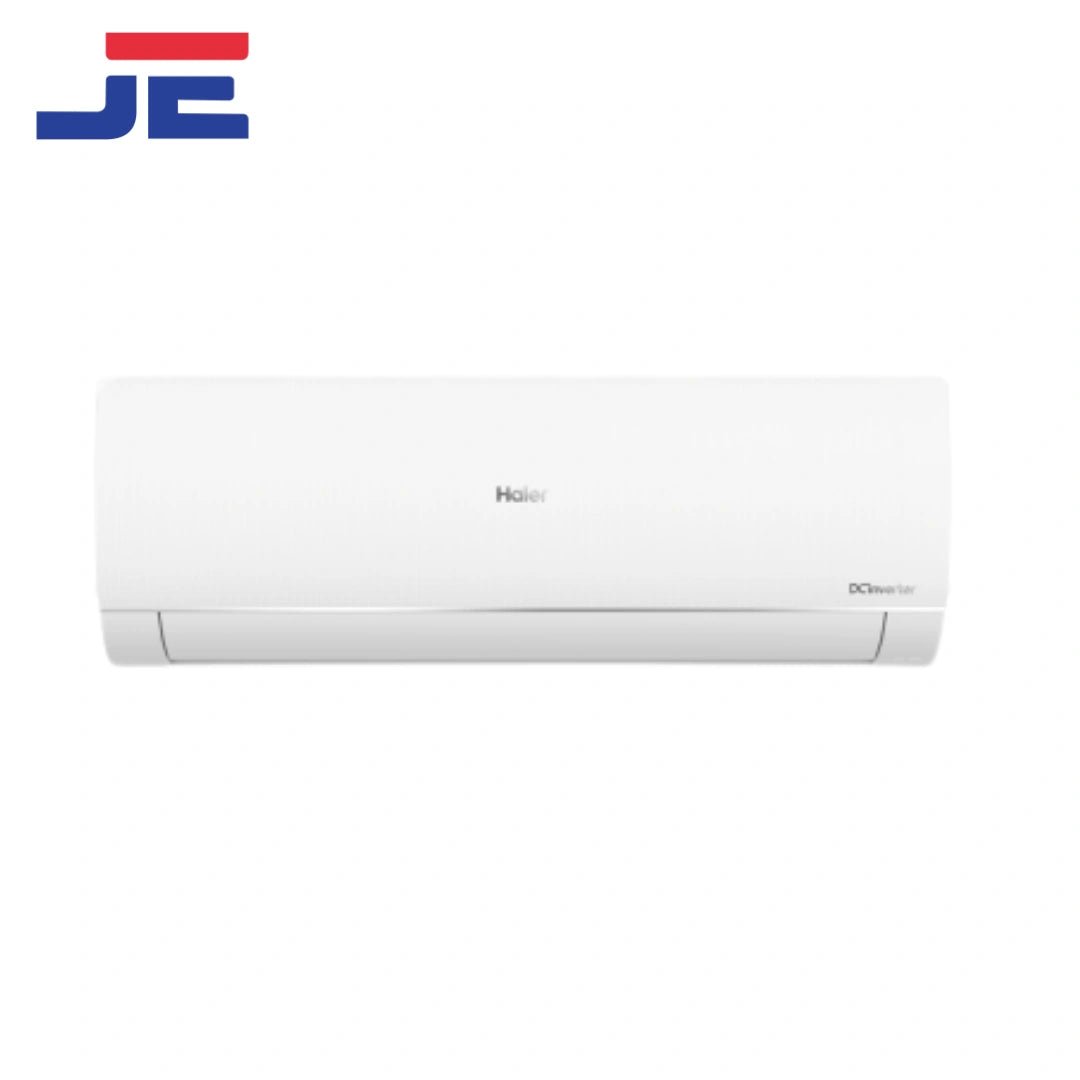
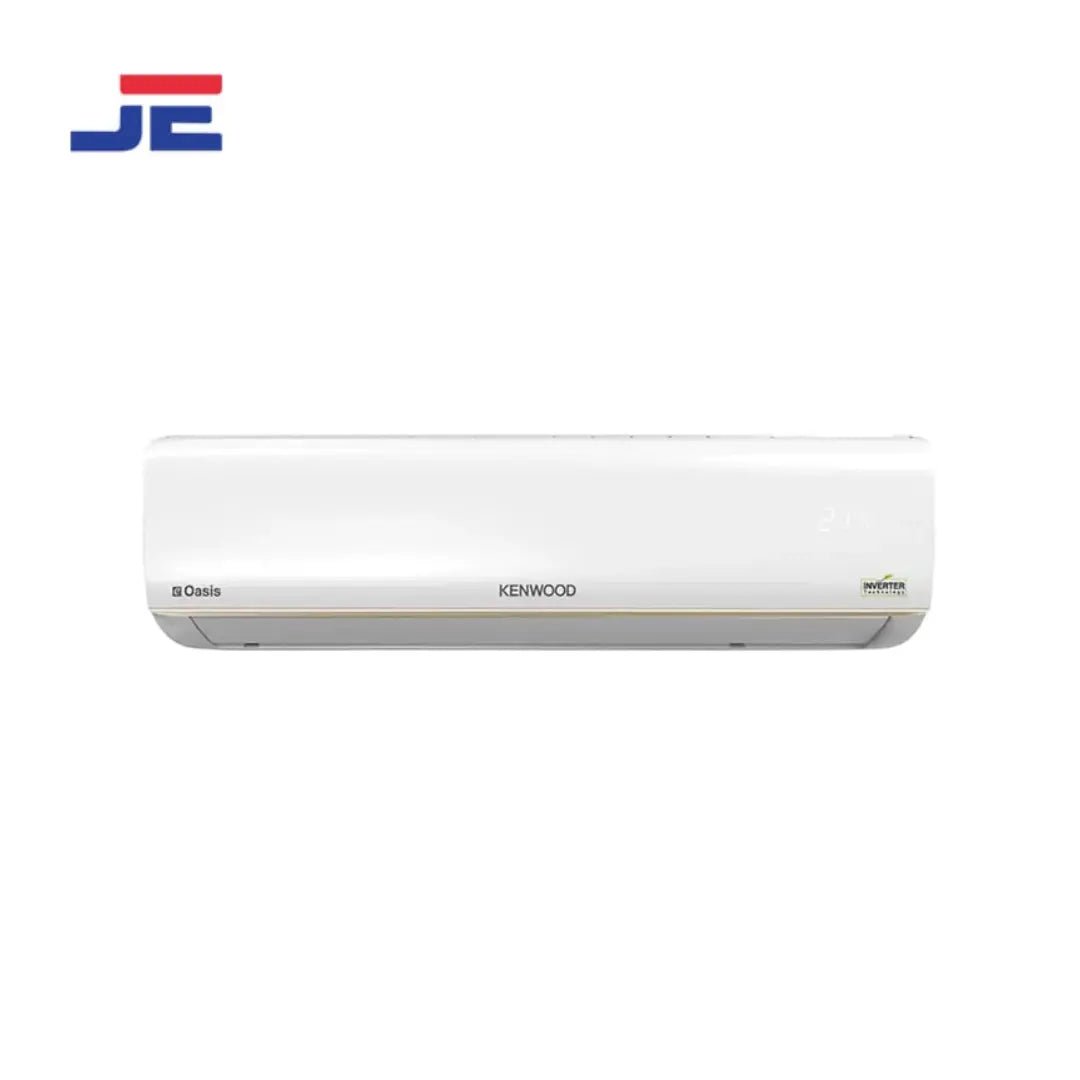
If you're still running old non-inverter appliances, they're quietly inflating your bill. A DC inverter AC uses 30–50% less electricity than an old unit for the same cooling, and inverter refrigerators and washing machines save too. Because these run for many hours, upgrading an old, inefficient AC or fridge often pays for itself within a couple of summers through bill savings alone. Browse efficient models on the air conditioner price page.
Maintain your appliances
Dirty, neglected appliances work harder and cost more. Wash your AC filters every 2–3 weeks and clean the outdoor unit; vacuum your fridge's condenser coils and check its door seal; defrost the freezer when ice builds up. A well-maintained AC and fridge can cut their share of the bill simply by not having to fight dirt and poor airflow.
Consider solar for daytime cooling
For the biggest single saving, shift your daytime load — especially the AC — to solar. A right-sized hybrid solar system can run your AC and other daytime appliances from panels while the sun is up, slashing the grid bill and keeping you cool through load-shedding. It typically pays back over a couple of summers. Our AC on solar guide covers panel and battery sizing.
Use fans smartly
Fans use a tiny fraction of an AC's power. Running a ceiling or pedestal fan lets you raise the AC thermostat a degree or two while staying just as comfortable, and in milder weather a fan alone may be enough. An energy-efficient fan (look for inverter or efficient motors) costs almost nothing to run and is one of the cheapest comfort upgrades you can make.
Switch to LED lighting
If you still use incandescent or old tube lights, switching to LED bulbs cuts lighting energy by up to 80% and they last far longer. Lighting isn't the biggest load, but across a whole home it adds up — and LEDs also produce less heat, which slightly eases the cooling load too.
Manage your geyser and other heat loads
In summer, switch off the water geyser when not needed rather than leaving it heating all day — it's an easy, often-forgotten saving. Run heat-generating appliances (oven, iron) in cooler parts of the day so they don't fight your AC, and use the microwave or air fryer for small cooking jobs instead of firing up a full oven or stove.
Understand your tariff slabs
Pakistani electricity is billed in slabs — the more units you use, the higher the per-unit rate on the upper slabs. That means cutting usage saves you more than the average rate suggests, because you're shaving units off the most expensive slab. Keeping your monthly units below a slab threshold can produce an outsized saving, so every efficiency adds up.
Quick-win checklist
- ☐ Set AC to 25–26°C and use eco/sleep modes
- ☐ Run a fan with the AC; seal the room
- ☐ Clean AC filters and fridge coils
- ☐ Replace old non-inverter AC/fridge with inverter models
- ☐ Switch off the geyser when not in use
- ☐ Change bulbs to LED
- ☐ Consider solar for daytime cooling
The bottom line
Most summer savings in Pakistan come from your AC: set it to 25–26°C, run a fan, maintain it, and ideally upgrade an old unit to an efficient inverter — then layer on LED lighting, smart geyser use, and solar for daytime cooling. None of these means sweating through summer; together they can meaningfully shrink your bill while keeping your home comfortable.
Where your summer electricity actually goes
Understanding the breakdown helps you target savings. In a typical Pakistani home in summer, air conditioning dominates — often more than half the bill during peak months. After that come the refrigerator and freezer (running 24/7), the water geyser (if left on), lighting, fans, and other appliances. Because AC is so dominant, even small AC efficiencies (a higher set temperature, a clean filter, a fan alongside) move the needle far more than switching off a few lights — so focus your effort where the usage is.
Quick wins vs longer-term investments
Split your savings into two buckets. Quick wins cost nothing: set the AC to 25–26°C, run fans, clean filters, seal rooms, switch off the geyser when not needed, and turn off standby devices. Investments cost upfront but pay back: replacing an old non-inverter AC or fridge with an efficient inverter model, switching to LED lighting, and — the biggest of all — installing solar for daytime cooling. Start with the free habits today, then plan the investments for lasting savings.
Behavioural habits that add up
- Pre-cool a room then raise the thermostat a degree once comfortable.
- Close doors and curtains to keep cooled air in and sun out.
- Run heat-producing appliances (iron, oven) in cooler hours.
- Use the microwave or air fryer for small cooking jobs instead of a full oven.
- Unplug chargers and devices on standby — small but constant draws.
The single biggest lever: solar
If you want a transformational rather than incremental cut, solar is it. Because daytime AC is the dominant summer load, shifting it to a hybrid solar system removes most of that cost while the sun is up — and keeps you cool through load-shedding. A right-sized system typically pays back in a couple of summers, after which daytime cooling is essentially free. It's the highest-return upgrade available for a high-AC household; our AC on solar guide explains sizing.
Appliance-by-appliance savings
- AC: set 25–26°C, run a fan, clean filters, upgrade old units to inverter — the biggest saving by far.
- Refrigerator: set a sensible temperature, clean the coils, don't overpack, keep it out of the sun.
- Geyser: switch off in summer when not needed instead of heating all day.
- Lighting: switch to LED bulbs (up to 80% less energy).
- Standby devices: unplug chargers and idle electronics that draw power continuously.
The bottom line
The biggest summer savings in Pakistan come from your AC — set it to 25–26°C, run a fan alongside, keep it maintained, and ideally replace an old non-inverter unit with an efficient inverter. Layer on LED lighting, smart geyser use, and behavioural habits, and for a transformational cut, move daytime cooling to solar. None of this means an uncomfortable home; together these steps can meaningfully shrink your bill while you stay cool all summer. To compare efficient appliances, see the air conditioner price page.
Frequently asked questions
What uses the most electricity in summer? Air conditioning, by a wide margin — it's where the biggest savings are.
What temperature should I set my AC? 25–26°C; every degree lower noticeably increases consumption.
Does an inverter AC really lower the bill? Yes — typically 30–50% less than an old non-inverter unit.
Is solar worth it for cutting the bill? Yes, especially for daytime AC use — it's often the single biggest saving and pays back in a couple of summers.
Do ceiling fans save money? Yes — running a fan lets you set the AC higher while staying comfortable, for a fraction of the power.
Should I switch off my geyser in summer? Yes — switch it off when not needed instead of leaving it heating all day.
Do LED bulbs make a difference? They cut lighting energy by up to 80% and last much longer.
Should I turn the AC off when leaving a room? For short absences, leaving an inverter AC running at a steady temperature is efficient; for longer ones, switch it off.
How much can solar save on my bill? Daytime AC is the biggest summer load, so shifting it to solar can remove most of it — often paying back in a couple of summers.
Does cleaning my AC really lower the bill? Yes — dirty filters and coils force the AC to work harder and use more electricity.