"Inverter" is the buzzword on almost every appliance in Pakistan now — ACs, refrigerators, washing machines and more. But what does it actually mean, how much does it really save, and is it worth the higher price? This complete guide explains inverter vs non-inverter technology in plain language and helps you decide which to buy.
What does "inverter" actually mean?
The difference is in how the motor or compressor runs. A non-inverter appliance runs at full speed until it reaches the target, switches off, then switches fully back on when needed — an on/off cycle that spikes power on every restart. An inverter appliance varies the speed of its compressor or motor, running slowly and steadily to maintain the target with far less energy and much less wear. Think of it as the difference between flooring a car then braking repeatedly, versus cruising at a steady speed.
The big benefit: lower electricity bills
Because inverter appliances avoid the constant full-power restarts, they use significantly less electricity — typically 30–50% less for an AC, and meaningful savings on fridges and washing machines too. Since these appliances run for many hours (a fridge runs 24/7), that saving compounds over the year and over the appliance's life. The higher purchase price is usually recovered within one to two years of regular use.
The second benefit: load-shedding and solar
This matters enormously in Pakistan. An inverter appliance draws power smoothly with a low start-up surge, so it runs far more easily on a UPS, generator or solar system than a non-inverter unit that spikes hard on every restart. If you have or plan solar, or face frequent outages, inverter appliances are the practical choice — they keep cooling and running cleanly on backup power.
Other benefits
- Quieter operation — steady running is far quieter than constant on/off cycling.
- Steadier performance — more consistent temperature (AC/fridge) and gentler washing.
- Longer life — less mechanical stress from avoiding repeated hard restarts.
- Better in extreme heat — inverter ACs (especially with T3 compressors) hold efficiency when it's hottest.
The trade-offs
Inverter appliances cost more upfront, and their electronics can be slightly more expensive to repair out of warranty. But for any appliance you'll run regularly for years, the running-cost savings far outweigh the higher sticker price. The main case for a non-inverter unit is a very low budget or an appliance used only occasionally (like a guest-room AC).
Inverter by appliance
| Appliance | Inverter benefit | Worth it? |
|---|---|---|
| Air conditioner | 30–50% lower bill, runs on solar | Almost always |
| Refrigerator | Lower 24/7 cost, quiet, outage-resilient | Yes if budget allows |
| Washing machine | Efficient, quiet, durable motor | Yes for frequent use |
| Deep freezer | Lower running cost, outage protection | Yes |
Is it worth the extra cost?
For almost everyone in Pakistan running appliances regularly, yes. An inverter AC is the clearest case — the bill saving plus the ability to run on solar makes it a near-automatic choice. For fridges, washing machines and freezers, inverter is the smarter long-term buy if your budget stretches, especially given electricity costs and load-shedding. Only on a very tight budget or for rarely-used appliances does non-inverter make sense.
How to choose
Decide based on usage: the more hours an appliance runs, the stronger the case for inverter. Prioritise inverter for your AC first (biggest load), then your fridge (runs 24/7), then frequently-used washing machines and freezers. Always pair inverter appliances with a stabiliser where voltage fluctuates, and buy from an authorised seller for the warranty. To choose specific models, see our AC comparison and refrigerator comparison.
The bottom line
Inverter appliances cost a little more but use 30–50% less electricity, run quietly, last longer, and work cleanly on solar and backup power — exactly what Pakistan's high tariffs and load-shedding call for. Prioritise inverter for high-use appliances (AC and fridge especially); the running-cost savings make them the smarter buy for nearly every household.
How to tell if an appliance is inverter
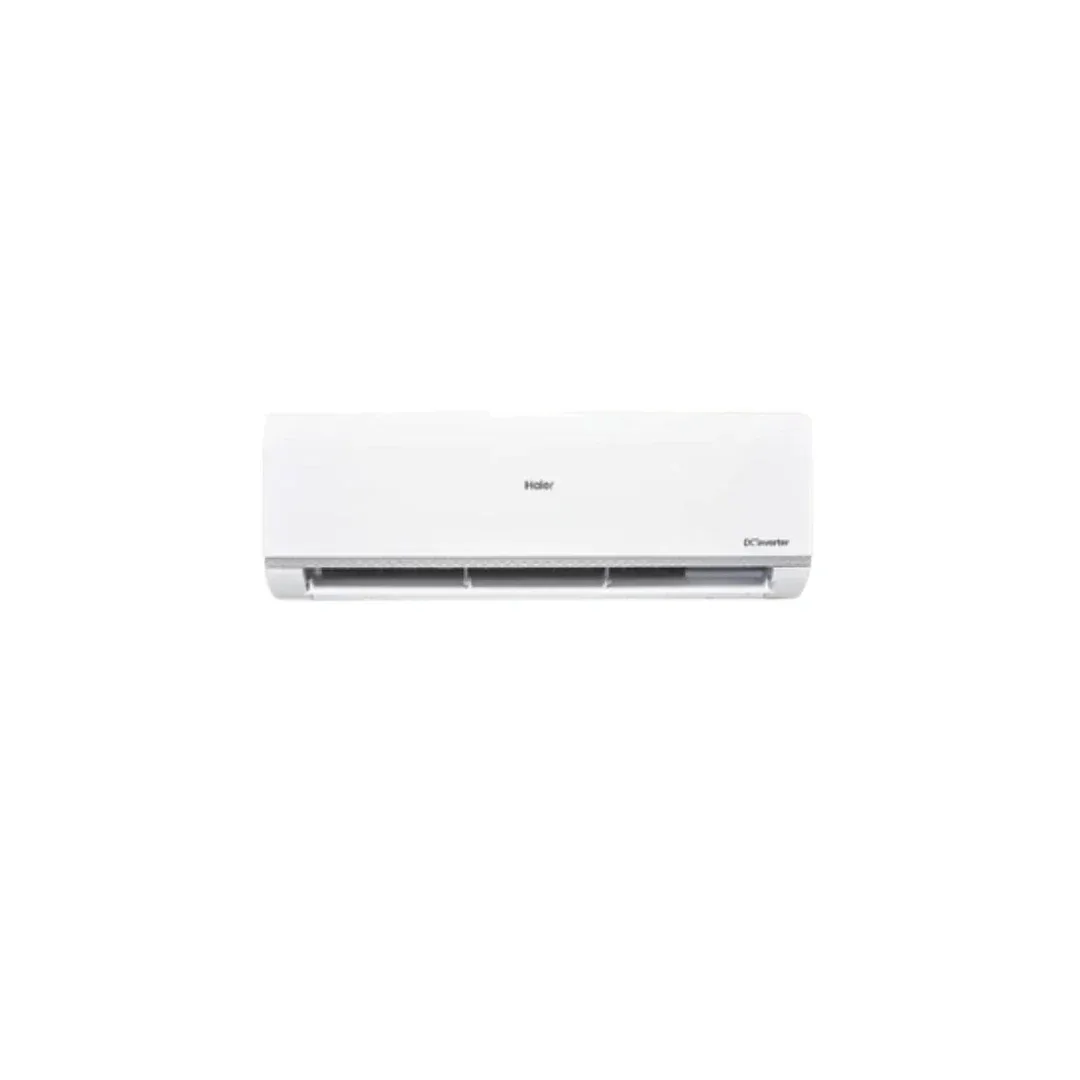
Manufacturers label inverter models clearly — look for "DC Inverter," "Inverter" or similar on the AC, fridge or washing machine and on the spec sheet. Inverter ACs also typically advertise a wider operating-voltage range and a T3 compressor. If it isn't explicitly badged as inverter, assume it's a standard on/off model. When comparing two similar models, the inverter one will usually cost a bit more and quote better energy efficiency.
A simple payback example
Take a 1.5-ton AC running 8 hours a day in peak summer. A non-inverter unit might use around 18 units/day versus roughly 12–13 for an efficient inverter — a saving of several units daily. At about Rs 55/unit, that's a few hundred rupees a day, which over a hot season adds up to thousands of rupees. Multiply across years and the inverter's higher purchase price is recovered comfortably, after which it keeps saving. The heavier the use, the faster the payback.
Common myths
- "Inverter savings are exaggerated": the 30–50% AC figure is real and well documented.
- "Inverters are unreliable": modern inverter appliances are mature and durable; pair with a stabiliser.
- "You must run an inverter AC 24/7 to save": it saves whenever it runs, at a sensible temperature.
- "Non-inverter is always cheaper overall": only on a tight budget or for rare use; otherwise inverter wins on lifetime cost.
Protect your inverter appliances
Inverter electronics deserve protection from Pakistan's voltage swings. Use a stabiliser unless the appliance has built-in wide-voltage operation, buy from an authorised seller for the warranty (compressors are often covered up to 10 years), and maintain the appliance — clean AC filters and fridge coils so the efficient compressor isn't fighting dirt. Looked after, inverter appliances reward you with years of low-cost, quiet, reliable service.
Inverter by budget
If budget is the constraint, prioritise where inverter saves the most. Put your money into an inverter AC first — it's the biggest electricity user and the clearest payback, and even budget brands like PEL and Orient offer affordable inverter models. Next, an inverter fridge, since it runs 24/7. Frequently-used washing machines and freezers come after. If you genuinely can't stretch to inverter on a low-use appliance (say a guest-room AC), a non-inverter unit there is a reasonable compromise while you invest in inverter where it counts.
The bottom line
Inverter appliances cost a little more upfront but use 30–50% less electricity, run quietly, last longer, and work cleanly on solar and backup power — exactly what Pakistan's high tariffs and load-shedding demand. For any appliance you run regularly, the running-cost savings comfortably outweigh the higher price, usually within a year or two. Prioritise inverter for your AC and fridge above all, pair them with a stabiliser, and buy from an authorised seller — it's the smarter buy for nearly every Pakistani household.
Frequently asked questions
What is the difference between inverter and non-inverter? Non-inverter runs full-on then off; inverter varies its speed to hold the target, using far less energy.
How much does an inverter appliance save? Typically 30–50% on an AC, with meaningful savings on fridges and washing machines.
Is an inverter AC worth the extra cost? Almost always — the bill saving plus solar compatibility usually pays back within two summers.
Do inverter appliances run on solar? Yes — their smooth, low-surge draw makes them ideal for solar and UPS.
Are inverter appliances quieter? Yes — steady running is much quieter than constant on/off cycling.
When is non-inverter okay? On a very tight budget or for occasionally-used appliances.
How do I know if an appliance is inverter? Look for "DC Inverter" or "Inverter" on the unit and spec sheet; inverter ACs also quote a wide voltage range and a T3 compressor.
Are inverter appliances harder to repair? Their electronics can cost a bit more out of warranty, but they're durable and last longer overall.
Which appliance should I make inverter first? Your AC — it's the biggest electricity user and has the clearest payback — then your fridge.
Do inverter fridges help during load-shedding? Yes — they run smoothly on UPS or solar and hold cold well during outages.
Are inverter appliances quieter? Yes — steady running is far quieter than constant on/off cycling.
How long until an inverter AC pays for itself? Usually within one to two summers of regular use through lower electricity bills.
Do inverter appliances work on solar? Yes — their smooth, low-surge draw makes them ideal for solar and UPS systems.
Is a non-inverter appliance ever the better choice? Only on a very tight budget or for an appliance used rarely, like a guest-room AC.
Which inverter appliance saves the most money? The AC, by a wide margin — it's the biggest electricity user, so an inverter AC delivers the largest savings.
Do you offer cash on delivery? Yes — with delivery across Rawalpindi & Islamabad and nationwide shipping.